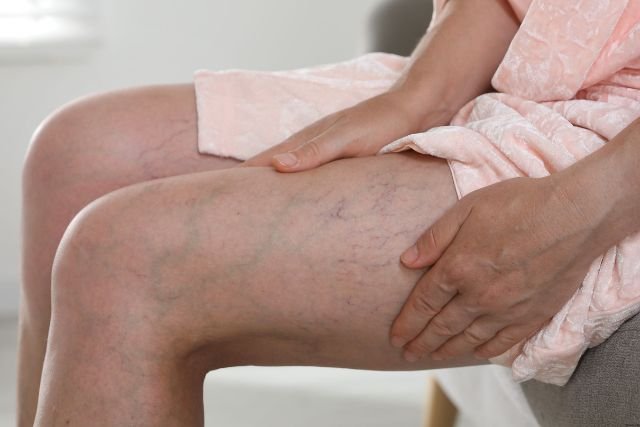
Living with fibromyalgia can make daily life feel hard. Your body may hurt, your energy may feel low, and even simple tasks can take more effort than they should. When varicose veins are added to the picture, the legs can feel heavy, sore, swollen, or tired too.
That mix can be confusing. Fibromyalgia causes widespread pain, fatigue, sleep trouble, and poor focus for many people. Varicose veins affect the leg veins and can cause aching, throbbing, swelling, itching, and pain that often gets worse after long periods of sitting or standing. So, when both happen at once, it can be hard to tell where the pain is coming from.
The good news is that there are simple ways to feel better. First, it helps to know what each condition may feel like. Then, you can start using small daily habits that support your body and your circulation.
What Each Condition May Feel Like
It can be hard to tell these two conditions apart at first. Varicose veins often cause heavy, achy, swollen legs, while fibromyalgia is more likely to cause pain all over the body, fatigue, stiffness, sleep problems, and brain fog. Looking at the symptoms side by side can help you see what your body may be telling you.
Varicose veins may feel like:
- Aching legs.
- Heavy legs, especially later in the day.
- Throbbing or burning in the legs.
- Swelling in the lower legs or around the ankles.
- Itching near the veins.
- Pain that gets worse after sitting or standing too long.
- Blue, purple, bulging, or twisted veins under the skin.
- In some cases, skin color changes, or sores near the ankle.
Fibromyalgia may feel like:
- Pain all over the body.
- Deep muscle aches.
- Tender spots and soreness.
- Morning stiffness.
- Ongoing tiredness, even after rest.
- Trouble sleeping.
- Brain fog, like poor focus or memory slips.
- Flares after stress, poor sleep, or too much activity.
When both happen at the same time, you may notice:
- Leg pain that feels stronger than usual.
- Heavy legs along with body pain.
- More pain after standing too long or doing too much.
- More fatigue because leg pain can add to fibromyalgia exhaustion.
If several of these symptoms sound familiar, you are not imagining it. Varicose veins can cause local leg pain and swelling, while fibromyalgia can cause body pain, tiredness, and sleep trouble, so both together can make daily life feel harder. Still, there are ways to ease the strain.
Why Symptoms Can Feel Worse Together
Fibromyalgia is linked to a more sensitive pain system, so pain can feel stronger and more widespread. At the same time, varicose veins can cause blood to pool in the legs, which may lead to heaviness, pressure, aching, and swelling. When both are present, the legs may feel tired, sore, and harder to manage by the end of the day.
Sleep can also play a big part. Fibromyalgia often comes with poor sleep and fatigue, and poor sleep can make pain feel worse. If aching or throbbing legs are also bothering you at night, that can make rest even harder to get. Then the next day may start with more pain, more fatigue, and less patience.
This is why small daily care matters so much. Gentle movement, better rest, and less time sitting still can help support both fibromyalgia management and vein comfort. You do not have to do everything at once. Small steps can still make a real difference.

What To Do To Feel Better
You do not need to fix everything in one day. Start small and stay steady. These steps are often the best place to begin.
1. Walk a little every day.
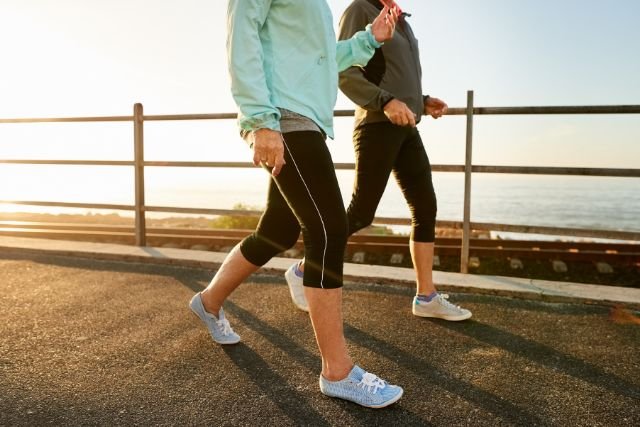
Walking helps the calf muscles pump blood out of the legs, which can reduce pressure in the veins. Exercise is also one of the most helpful treatments for fibromyalgia and can reduce pain over time when you build up slowly.
2. Avoid staying still for too long.
Varicose vein symptoms often get worse after long periods of sitting or standing. Try to move every 30 minutes, and bend and straighten your legs if you are stuck in one place.
3. Raise your legs when you rest.
Elevating the legs can reduce pain and swelling from varicose veins. Several health sources advise lifting the legs above heart level for short periods during the day or propping them up on pillows while resting.
4. Ask about compression stockings.
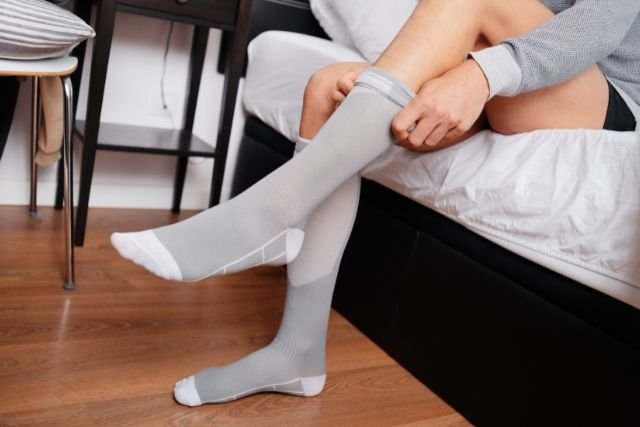
Compression stockings can help prevent blood from pooling and may ease aching and swelling. They are often used as a first step for symptom relief, but it is smart to ask a clinician which type, and pressure level fits your needs.
5. Pace your activity.
Fibromyalgia care often works best when you avoid the push and crash cycle. Do a little, pause, then do a little more, instead of pushing until your body flares. This can help you stay active enough to support circulation without leaving you wiped out.
6. Use heat in a gentle way for fibromyalgia pain.
Warm baths, showers, and heat wraps can ease stiffness and muscle pain for many people with fibromyalgia. Heat will not remove a varicose vein, but it may help calm the body wide soreness that often comes with fibromyalgia.
7. Protect your sleep.
Fibromyalgia often comes with sleep trouble, and poor sleep can make pain and fatigue feel worse. A regular bedtime, a dark quiet room, and less screen time before bed are common sleep tips that may help.
8. Work on stress relief.
Fibromyalgia treatment often includes relaxation techniques, mindfulness, and talking therapies such as CBT or ACT. These do not mean the pain is in your head. They help calm the nervous system and make symptoms easier to manage.
9. Maintain a healthy weight.
Extra weight can put more pressure on the leg veins. Even small lifestyle changes that support circulation and daily movement can be useful.
10. Keep track of what makes your legs worse.
Fibromyalgia flares and vein symptoms do not always follow the same pattern. A simple note on standing time, activity, sleep, swelling, and pain can help you spot whether the main trigger is overdoing it, poor rest, or too much time on your feet.
When to Get More Help
Home care is a good place to start, but sometimes it is not enough. If your varicose veins cause ongoing pain, swelling, skin color changes, sores, or ulcers, it is important to talk with a healthcare professional. A vein specialist may suggest treatments such as sclerotherapy, thermal ablation, or surgery, depending on your symptoms and vein health.
Fibromyalgia also deserves support when it keeps affecting your daily life. There is no cure, but treatment often includes exercise, lifestyle changes, talking therapies, and sometimes medicine to help with pain, mood, or sleep. In many cases, the best plan is a mix of daily habits and medical support, not one quick fix.
A Kinder Daily Routine
If you have both varicose veins and fibromyalgia, think comfort first. Walk a little, rest with your legs up, protect your sleep, and choose steady movement over all or nothing effort. Those small choices can support circulation, lower strain on sore legs, and help your body feel more manageable day by day.
That starts with simple steps that help your veins, calm your pain, and give you a little more ease in your body.