If you live with fibromyalgia, food will not solve everything. Still, your daily meals can support how you feel. Research shows that diet can play a real part in symptom management. Fiber matters because it supports gut health and may help lower inflammation.
That is important for people with fibro. Fibromyalgia often comes with pain, fatigue, poor sleep, and brain fog. A fiber rich diet can also make it easier to eat more whole plant foods. That simple shift may help your body in steady ways over time.
Researchers also note that fiber from fruits, vegetables, beans, lentils, whole grains, nuts, and seeds may help the gut microbiome. The gut microbiome may affect inflammation and symptom burden in fibromyalgia. The Arthritis Foundation also says fiber can lower C reactive protein; a marker linked to inflammation.
Mayo Clinic says most adults need to be intentional about fiber intake. A common guide is about 14 grams of fiber for every 1,000 calories. So, if you want simple foods that may support fibro pain and inflammation, this list is a smart place to start.
Why Fiber Helps
A fiber rich eating pattern usually means more whole foods on your plate. It also means fewer ultra processed foods. Research reviews on fibromyalgia connect plant forward eating with lower inflammation and better overall symptom support.
Fiber also feeds helpful gut bacteria. Researchers writing about fibromyalgia say fiber intake can shape the gut microbiome in useful ways. They also note that eating more fiber and less sugar and fat remains a core nutrition strategy for many people with fibromyalgia.
That does not mean you need a perfect diet. It means small changes can matter. A bowl of lentils, berries with oats, or beans with dinner can be a good start.
30 High Fiber Foods
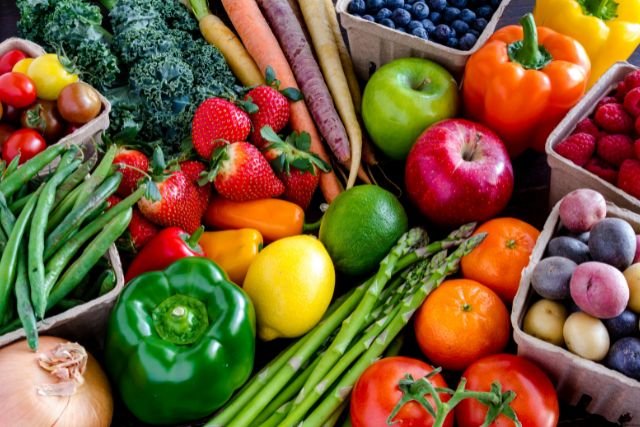
Here are 30 high fiber foods to add to your fibromyalgia diet. Each one offers a solid fiber boost. Each one can fit into simple meals, even on low energy days.
Fiber Rich Fruits and Vegetables for Fibro Pain and Inflammation
- Raspberries have about 8 grams of fiber per cup. They add sweetness, color, and an easy fiber boost.
- Pears have about 5.5 grams of fiber each. They are easy to grab on busy days.
- Apples with the skin have about 4.5 grams of fiber each. They are one of the easiest daily habits.
- Avocado has about 5 grams of fiber per half cup. It adds creaminess with little prep.
- Green peas give about 9 grams of fiber per cooked cup. Keep them in the freezer for quick meals.
- Artichokes offer about 9.6 grams of fiber per cooked cup. That makes them one of the top fiber vegetables.
- Pumpkin has about 7.1 grams of fiber per cup. Canned pumpkin works well in oats and soups.
- Brussels sprouts provide about 6.4 grams per cooked cup. Roasting brings out a sweeter flavor.
- Sweet potatoes have about 6.3 grams of fiber per cooked cup. They are soft, comforting, and easy to digest for many people.
- Broccoli gives about 5 to 5.2 grams of fiber per cooked cup. It pairs well with almost any dinner.
- Turnip greens provide about 5 grams of fiber per cooked cup. They are a nice change from the usual greens
- Cauliflower gives about 4.9 grams of fiber per cooked cup. Its mild flavor works in many dishes.
- Carrots provide about 4.8 grams of fiber per cooked cup. Roast them, steam them, or blend them into soup.
- Kale has about 4.7 grams of fiber per cooked cup. It softens well in soups and grain bowls.
- Spinach gives about 4.3 grams of fiber per cooked cup. It cooks fast and fits into many meals.
Other High Fiber Foods that Help Fight Inflammation
- Split peas have about 16 grams of fiber per cup cooked. They work well in warm, filling soups.
- Lentils have about 15.5 grams of fiber per cooked cup. They cook fast and make easy weeknight meals.
- Black beans give about 15 grams of fiber per cooked cup. Use them in bowls, soups, or simple taco plates.
- White beans, like cannellini or navy beans, have about 13 grams per cup. They are soft, mild, and easy to use.
- Chia seeds provide about 10 grams of fiber per ounce. Stir them into oats, yogurt, or smoothies.
- Lima beans have about 9.2 grams of fiber per cooked cup. They feel creamy and hearty in simple meals.
- Pinto beans have about 7.7 grams of fiber per half cup. They are a strong pantry staple.
- Chickpeas give about 6.3 grams per half cup. Add them to salads, soups, or pasta dishes.
- Whole wheat spaghetti has about 6 grams of fiber per cooked cup. It is an easy swap for regular pasta.
- Barley has about 6 grams of fiber per cooked cup. It adds a chewy texture to soups and bowls.
- Popcorn gives about 5.8 grams of fiber in 3 cups. It can be a light and crunchy snack.
- Bran flakes have about 5.5 grams of fiber per serving. They make breakfast fast and simple.
- Pumpkin seeds provide about 5.2 grams of fiber per ounce. They add crunch to salads and oatmeal.
- Quinoa has about 5 grams of fiber per cooked cup. It makes a gentle base for meal bowls..
- Oatmeal has about 4 grams of fiber per cup cooked. It is a gentle breakfast with steady energy.
Easy Ways to Eat More Fiber
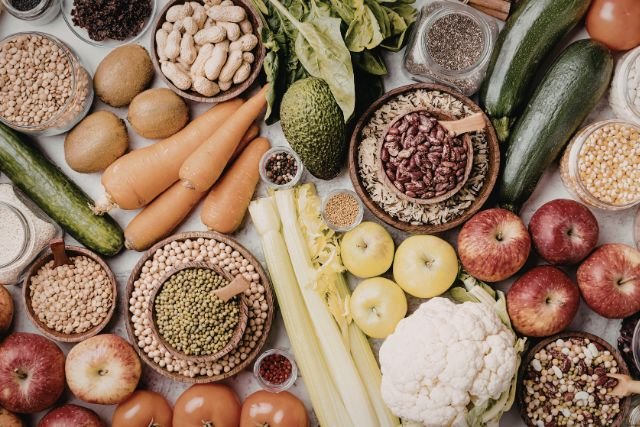
You do not need to eat all 30 foods right away. Start small and build slowly. Mayo Clinic advises adding fiber little by little and drinking more fluids as you increase it.
That matters because too much fiber too fast can cause gas, bloating, cramping, or loose stools. A slow approach is often easier on your body. It also helps you notice which foods feel best.
Try simple ideas like these:
- Oatmeal with raspberries and chia seeds for breakfast.
- Lentil soup with roasted broccoli for lunch.
- A sweet potato bowl with black beans, spinach, and avocado for dinner.
- Popcorn, an apple, or a pear for a simple snack.
- Quinoa or barley cooked ahead for easy meals later in the week.
These small swaps can help you move toward a more plant rich way of eating. Research on fibromyalgia points to benefits from eating patterns built around fruits, vegetables, whole grains, legumes, nuts, and seeds.
A Gentle Note
There is one more thing to keep in mind. Some people with fibromyalgia also deal with stomach issues, and certain patients with gut symptoms may feel better with a lower FODMAP approach for a time. That means the best high fiber foods for you may depend on what your body tolerates right now.
So, start small. Pick three foods from this list this week, not thirty. Then build from there, one meal at a time, and let your body tell you what feels good.