
If you live with fibromyalgia, you already know that bedtime is not always peaceful. Pain can keep you awake, and then poor sleep can make the next day feel even harder. That is why gentle sleep support and calming herbs matters so much for fibro warriors.
Herbs will not cure fibromyalgia. Still, some herbs may help calm the body, settle the mind, and make it easier to drift off. Also, some herbs may ease stress or discomfort, which can be part of the sleep struggle for people with fibro.
The key is to think of herbs as part of a full bedtime routine. A steady sleep schedule, less caffeine late in the day, and a calm room still matter a lot. Then, when an herb fits your needs and your doctor says it is safe, it may give you another layer of support.
Eight Herbs Worth Knowing
Chamomile
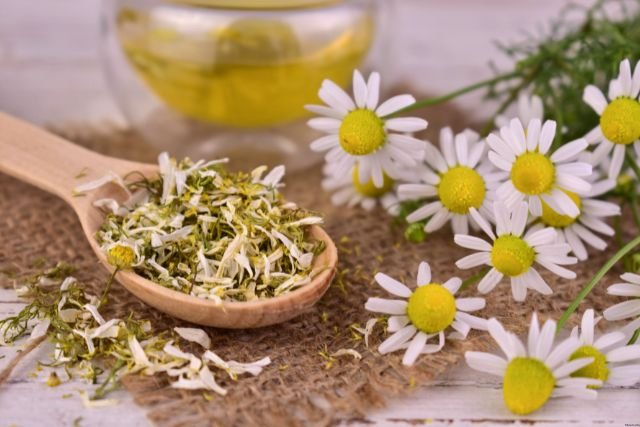
Chamomile is often the first herb people think of when they want a calm night. Some sources on fibromyalgia sleep support note that chamomile tea may help ease anxiety, lower pain perception, and support sleep. That can matter for fibro warriors because stress and pain often show up together at night.
Chamomile is also simple to use. A warm cup of tea in the evening can become part of a soothing routine that tells your brain it is time to slow down. In other words, chamomile may help both because of the herb itself and because it supports a quiet bedtime ritual.
Lavender
Lavender is one of the best-known natural sleep aids in current sleep research. Research reviewed by NCOA says lavender essential oil may calm anxiety, reduce pain, and improve sleep duration and sleep quality. That makes it especially interesting for fibro warriors who feel wired, sore, and tired all at once.
Lavender is often used as a scent, not a tea. You can use a few drops in a diffuser, on a pillow spray, or in a warm bath before bed. The goal is simple. You want your room and your body to feel calm before your head hits the pillow.
Passionflower
Passionflower is a gentle herb that gets a lot of attention for sleep. NCOA notes that passionflower contains GABA, a brain chemical linked with sleep, and studies suggest that passionflower extracts and herbal teas may improve insomnia symptoms and sleep quality. For fibro warriors, that may be helpful when a restless mind is just as hard as body pain.
This herb is often taken as tea, tincture, or capsule. Tea is a good starting point for many people because it feels mild and easy to work into an evening routine. If your body tends to get tense at night, passionflower may be one to keep on your list.
Valerian root
Valerian root has a long history as a sleep herb. NCOA reports that many people say valerian helps them sleep better, and research suggests it is generally safe to use, even though the evidence on how well it works is still mixed. That means valerian may be worth trying, but it is smart to keep expectations realistic.
For fibro warriors, valerian may be most useful when the main problem is trouble falling asleep. Some people use it as tea, while others prefer capsules because the smell and taste can be strong. Either way, this is one of those herbs where less is often more at first.

Lemon balm
Lemon balm is a soothing herb in the mint family. Research cited by WebMD says lemon balm may help with insomnia, and studies show it may work even better when combined with herbs like valerian. It is also often used for stress and nervousness, which can feed the bedtime spiral many fibro warriors know too well.
What makes lemon balm appealing is how gentle it feels for many people. Lemon balm tea has a light taste, and it can fit easily into a quiet evening routine. If your nights are more anxious than painful, lemon balm may be a smart herb to explore first.
Ashwagandha
Ashwagandha is often used for stress support, and newer research makes it interesting for sleep too. A randomized study found that ashwagandha improved sleep quality and reduced non restorative sleep in adults with frequent sleep issues. There is also emerging research suggesting that ashwagandha root extract may offer benefits for fibromyalgia like symptoms.
For fibro warriors, that matters because stress, body sensitivity, and poor sleep often overlap. Ashwagandha may be more helpful for the person who feels tired but cannot settle down than for the person who only wants a sleepy tea. It is often sold as a capsule or powder, and some herbal guidance suggests evening use when the goal is better sleep patterns.

Ginger
Ginger is better known for digestion and inflammation, but it also shows up in fibromyalgia self-care advice. AARP notes that tea made with dry or fresh ginger and honey may help with fibromyalgia symptoms. That matters because anything that softens the evening pain load may make sleep come a little easier.
Ginger is not usually thought of as a sedating herb. Still, fibro sleep is not only about getting sleepy. It is also about lowering the discomfort that keeps you alert. A warm ginger tea can be a comforting choice when your body feels achy and tense at night.
Thyme
Thyme may surprise you, but it has been mentioned in fibromyalgia natural remedy guidance. AARP notes that tea made with dry or fresh thyme, ginger, and honey may help with fibromyalgia symptoms. If your bedtime routine feels stale, thyme tea may be a simple new option to try.
That said, thyme is not right for everyone. AARP advises staying away from thyme tea if you have heart disease or gastrointestinal illnesses. So, while thyme may be helpful for some fibro warriors, it is one to check carefully before you add it to your routine.
Which is the Best Herb for Fibro Sleep
It depends on what keeps you up at night. If your biggest issue is stress or a racing mind, lavender, lemon balm, passionflower, and ashwagandha may be the most useful places to start. If pain and body tension are the bigger problem, chamomile, ginger, lavender, and thyme may feel more supportive.
You also do not need to try everything at once. In fact, it is better not to. Start with one herb, use it consistently, and pay attention to how your body responds. That slow approach is often the safest and clearest way to figure out what truly helps.
A few bedtime tips can make these herbs work better. Keep your sleep and wake times steady, avoid caffeine late in the day, and create a quiet wind down routine about an hour before bed. You can also lower screen time, dim the lights, and make your bedroom feel cool, dark, and calm. These small steps can support your circadian rhythm and help your body recognize that sleep is coming.
Safety Notes
Herbal supplements can interact with medications, and the FDA does not test or regulate them the same way it does prescription drugs. That is why it is wise to talk with your doctor or pharmacist before trying a new herb, especially if you take pain medicine, sleep medicine, antidepressants, or anxiety medicine.
Use extra care if you are pregnant, breastfeeding, managing heart disease, thyroid issues, stomach problems, or several chronic conditions at once. Also, remember that natural does not always mean harmless. The best herb is the one that fits your body safely.
Conclusion
Finding better sleep with fibromyalgia will take time, but the right herbs and a simple bedtime routine may help you feel calmer, more rested, and more in control at night. Start small, pay attention to how your body responds, and always check with your doctor or pharmacist before trying anything new because herbs can interact with medications. With patience and consistency, more peaceful nights and brighter mornings can feel possible again.