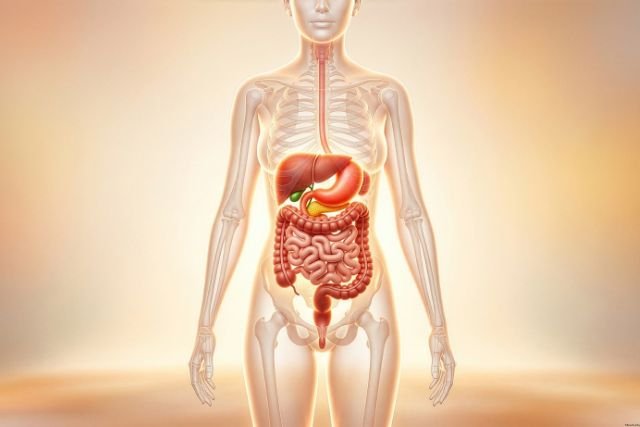
Living with fibromyalgia can feel confusing. Pain, fatigue, poor sleep, and brain fog can all hit at once. Sometimes the pain, fatigue, brain fog, poor sleep, and stomach issues seem to blend together. Because of that, many people start asking an important question: could liver health and fibromyalgia be connected?
The answer is not simple. Research does not say that liver disease causes fibromyalgia in every person. Still, some studies show that liver problems and fibromyalgia symptoms can overlap in certain people.
This matters because the liver helps the body in many ways. It helps process nutrients, manage fat and sugar, and support normal body function.
When liver health is poor, the body may feel more stress. For someone who already has fibromyalgia, that extra stress can matter.
What is Fibromyalgia
Fibromyalgia is a long-term condition that causes widespread pain and tenderness. It can also cause fatigue, sleep problems, brain fog, and other symptoms that affect daily life.
Doctors do not diagnose fibromyalgia with one single test. Instead, they look at symptoms, medical history, and an exam, while also ruling out other conditions that can cause similar problems.
That is an important point. Not every symptom in a person with fibromyalgia is always caused by fibromyalgia alone.
What the Liver Does
The liver works all day, every day. It helps the body process food, store energy, handle waste, and support many chemical functions needed for health.
It also plays a major role in blood sugar balance and fat metabolism. That is one reason liver health is closely linked with metabolic health.
If the liver is under strain, energy levels and overall wellness can suffer. That can be especially hard for people who already deal with fibro fatigue and poor sleep.
Is There a Real Link?
Research suggests there may be a link in some cases. One study in patients with cirrhosis found that 27 percent met criteria for fibromyalgia symptoms.
In that same study, fibromyalgia symptoms were more common in people with hepatitis C related cirrhosis and nonalcoholic steatohepatitis related cirrhosis than in people with alcohol related liver disease.
Another study published in 2025 looked at fibromyalgia and metabolic dysfunction associated steatotic liver disease, also called MASLD. Researchers found that people with fibromyalgia had more severe liver fat changes when steatosis was present.
That study also found that women with fibromyalgia had a higher rate of MASLD than women in the control group. It also found more central adiposity in the fibromyalgia group.
In plain language, this means some people with fibromyalgia may also have a higher burden of metabolic and liver related issues. It does not mean this is true for everyone.
Why this Overlap May Happen
There are a few reasons experts think this overlap may happen. One reason is sleep.
In the cirrhosis study, sleep disturbance was a strong predictor of fibromyalgia symptoms. Mood symptoms were also strong predictors.
That matters because poor sleep can raise pain levels. It can also make fatigue, brain fog, and stress worse.
Abdominal pain also stood out in the research. In fact, when abdominal pain was added to the analysis, the cause of liver disease became less important, which suggests the nervous system may be amplifying pain signals.
Metabolic health may be another piece of the puzzle. MASLD is linked with insulin resistance, central weight gain, and poor metabolic health, and those same issues can also affect energy and overall body stress.
This does not prove direct cause and effect. It does show that the body works as one connected system.
Signs to Discuss with Your Doctor
If you have fibromyalgia, it may help to look at the full picture of your health. Some symptoms may point to more than fibro alone.
Talk with your doctor if you have fibromyalgia and also have ongoing abdominal discomfort, unusual fatigue, blood sugar issues, weight gain around the middle, or a history of fatty liver disease, hepatitis C, or cirrhosis. These signs do not confirm liver disease, but they may mean you need a broader checkup.
You should also speak up if your symptoms change in a new way. Worsening fatigue, digestion issues, or symptoms that feel different from your usual fibro pattern deserve attention.
Doctors often use lab tests to rule out other causes of pain and fatigue. These may include thyroid tests, inflammatory markers like CRP, and other routine tests based on your symptoms and history.
CRP is made by the liver and can rise with inflammation, but it does not diagnose fibromyalgia on its own. That is why a full health review matters.

What You Can Do to Support Liver Health
The good news is that many habits that help the liver can also support people with fibromyalgia. The goal is not perfection. The goal is steady progress.
1. Eat more whole foods
A Mediterranean style diet is often recommended for MASLD and better metabolic health. It focuses on vegetables, fruit, beans, whole grains, nuts, seeds, olive oil, fish, and lean protein.
This kind of eating pattern gives the body fiber, antioxidants, and more stable fuel. It also helps reduce reliance on ultra processed foods.
2. Cut back on added sugar
Too much added sugar can raise liver fat, especially from sweet drinks and ultra processed foods. Many liver health sources recommend cutting back on soda, packaged desserts, and sugary snacks.
This can help with energy too. Many people with fibromyalgia feel worse after big blood sugar swings.
3. Choose healthy fats
Healthy fats can support metabolic and liver health. Good choices include olive oil, avocados, nuts, seeds, and fish rich in omega 3 fats.
It also helps to limit heavily fried foods and foods high in saturated fat. Small changes done often can make a real difference over time.
4. Eat more fiber
Fiber rich foods can help support blood sugar balance and fullness. Good options include oats, beans, berries, apples, broccoli, leafy greens, brown rice, and quinoa.
These foods can fit well into a simple and realistic eating plan. They are also easier to build into meals than many people think.
5. Drink enough water
Water supports normal body function. It does not cure fibromyalgia or liver problems, but it helps the body work better day to day.
A simple habit can help. Keep water nearby and sip often during the day.
6. Be mindful with coffee
Coffee may help some people when it comes to liver health. Mayo Clinic includes coffee as part of a helpful eating pattern for MASLD.
Still, not everyone with fibromyalgia feels good with caffeine. If coffee worsens anxiety, sleep, or pain flares, a smaller amount may work better.
7. Move in gentle ways
Exercise can help reduce liver fat and improve metabolic health. It can also support sleep, mood, and physical function over time.
For people with fibromyalgia, intense workouts may not be the best fit. Gentle walking, stretching, pool movement, or short strength sessions may feel more doable.
8. Protect your sleep
Sleep is one of the biggest pieces of the puzzle. Research in cirrhosis patients found that sleep disturbance was a strong predictor of fibromyalgia symptoms.
Try to keep a regular bedtime and a calm evening routine. Even small sleep improvements may help you feel steadier.
Best Foods for Liver Health and Fibromyalgia
Some foods stand out because they support both liver health and steady energy. Here are a few simple choices to keep on hand.
- Leafy greens, broccoli, carrots, and bell peppers for fiber and plant nutrients.
- Oats, brown rice, quinoa, lentils, and beans for slow energy and fiber.
- Berries and apples for fiber and helpful plant compounds.
- Salmon, sardines, trout for protein and omega 3 fats.
- Olive oil, walnuts, chia seeds, and flaxseeds for healthy fats.
Foods to Limit
You do not need a perfect diet. Still, it helps to cut back on foods that can strain metabolic health.
Try to limit sweet drinks, fried foods, heavily processed snacks, processed meats, and packaged desserts. Alcohol may also need to be limited or avoided, especially if your doctor has raised concerns about liver health.
When to Seek Medical Care
Sometimes symptoms need a closer look. Do not assume every new symptom is just part of fibromyalgia.
Talk with your doctor if you notice yellowing of the skin or eyes, swelling, ongoing upper abdominal pain, appetite changes, or fatigue that feels much worse than usual. These symptoms may need medical evaluation.
Your doctor can decide if liver enzymes, imaging, or other follow up tests are needed. Getting checked early can help protect your health and reduce stress later.
Final Thoughts
Liver health and fibromyalgia are not the same thing. Still, research suggests they can cross paths more often than many people think.
That is why a whole-body approach matters. Food, sleep, movement, stress care, and the right medical support can all play a role in how you feel.
If you live with fibromyalgia, caring for your liver is not about finding a miracle fix. It is about giving your body one more form of support.