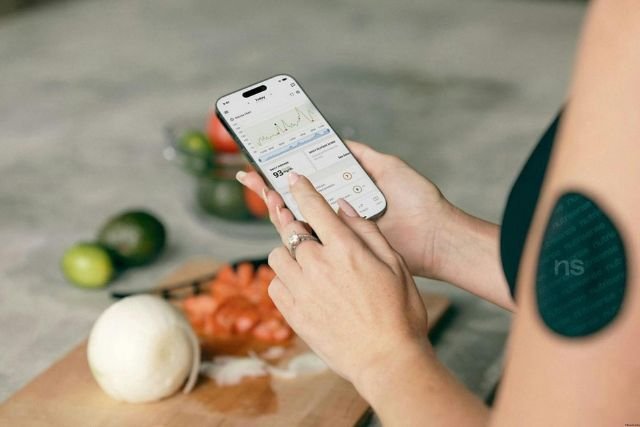
Fibromyalgia friendly tech is finally catching up. In 2026, you can combine smart apps and wearable gear to track flares, calm your nervous system, and protect your energy so daily life feels more manageable.
Why Apps And Wearables Matter For Fibromyalgia
Living with fibromyalgia means you manage pain, fatigue, sleep, and mood all at the same time. Digital tools help you see patterns instead of guessing.
Recent studies show wearable devices can predict chronic pain spikes by monitoring movement, heart rate, and sleep quality in real time. This gives people a chance to adjust plans, rest sooner or use pain relief strategies before a full flare hits.
Key Features To Look For
Helpful features include:
- Symptom and flare tracking with custom fibromyalgia symptoms like brain fog, all over aching, tender points, and IBS.
- Simple pain scales, daily check ins, and visual graphs so patterns are easy to spot even on foggy days.
- Sleep and heart rate tracking from wearables to reveal how rest, stress and activity affect pain levels.
- Built in education that explains pain science in compassionate language, so people feel empowered, not blamed.
- Gentle reminders that nudge rest, movement, hydration, and medications without feeling pushy or shaming.
Best Fibromyalgia Focused Apps
Several newer tools now center chronic pain science, emotional health and real life pacing instead of “push through it” workout culture.
1. MoreGoodDays Fibromyalgia Program
This app offers a science based digital program designed specifically for fibromyalgia and other chronic pain conditions. Sessions are short and audio friendly, which works well when pain or fatigue make reading hard.
Key benefits
- Eight chapter program, which teaches pain science, nervous system calming and practical flare tools in small steps.
- Flare up tool kit with somatic tracking, calming exercises and gentle guidance when pain suddenly spikes.
- Optional access to therapists, coaches, and live virtual sessions with pain experts so people feel less alone.
2. Bearable Symptom Tracker
Bearable is a flexible symptom and mood tracker that works well for fibromyalgia because it lets users create custom symptoms, triggers, and treatments. It also connects symptoms with sleep, activity, and medications in one place.
Why it helps fibro
- Unlimited custom symptoms so people can track fibro fog, tingling, stiffness, migraines, or anything unique to their body.
- Weekly reports show trends over time which helps when talking with doctors or preparing for disability reviews.
- Optional tracking of diet, mental health, and movement to spot hidden flare triggers.
3. Chronic Pain Therapy Apps Like Pathways And Curable
Apps such as Pathways Pain Relief and Curable focus on the mind body side of chronic pain and are often recommended by pain foundations. They combine education, guided relaxation, meditation, and gentle exercises.
Fibro friendly features
- Lessons that explain how the brain and nervous system amplify pain which can reduce fear and anxiety around symptoms.
- Guided practices that help calm the stress response, support sleep, and lower overall pain sensitivity.
- Built in trackers to log pain and mood so users can see changes over weeks and months.
4. Fibromyalgia AI Movement Apps
Newer AI powered apps tailor stretching and movement plans to a person’s real flare history and daily limits. These tools learn from feedback and avoid “no pain no gain” logic that often backfires for fibro.
Why they are promising
- Personalized pacing that adjusts movement plans on low energy days to avoid crashes.
- Smarter recommendations over time as the app learns which moves trigger or relieve pain for that specific person.
- Support for gentle movement, not extreme training, which lines up with modern fibromyalgia exercise guidance
Wearable Gear That Supports Fibro Life
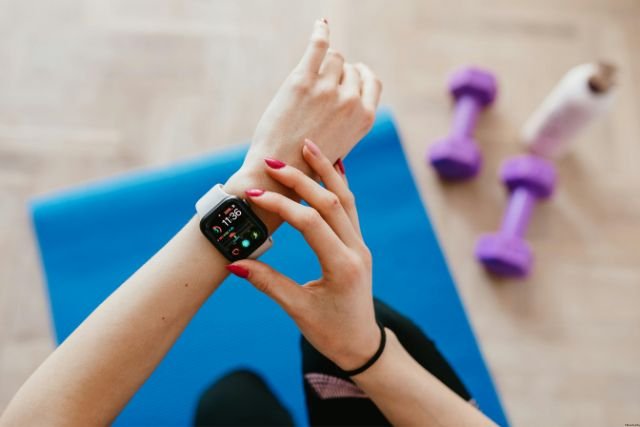
Wearable technology now does much more than count steps. For fibromyalgia, the right gear can track patterns, deliver comfort, and even provide non drug pain relief.
Smartwatches And Fitness Trackers
Smartwatches and activity trackers are a powerful first step for fibro self awareness.
They can:
- Track steps, heart rate and heart rate variability which often reflect stress, overexertion, and poor sleep.
- Monitor sleep stages and rest quality so people can see how bedtime routines or medications affect restorative sleep.
- Send gentle alerts when stress stays high or movement has been low for too long which invites stretch breaks and nervous system resets.
When readers pair a tracker with a symptom app like Bearable they can connect a rough night of sleep with a flare two days later and adjust ahead of time.
Wearable Neuromodulation For Pain Relief
One of the most exciting advances for fibromyalgia is wearable neuromodulation devices that use gentle stimulation to reduce pain signals.
Recent reports show a wrist worn millimeter wave neuromodulation device helped people with fibromyalgia lower pain, improve sleep and enhance quality of life over eighteen months of use. In that group average pain scores dropped, and more people moved from severe to milder symptom categories after three months.
Other pain wearables like transcutaneous electrical nerve stimulation style devices and nerve stimulating bands have also shown benefits for chronic pain and reduced medication use in some users. These tools will not replace medical care, but they can become a powerful layer in a modern fibro toolkit.
Biofeedback Bracelets And Stress Wearables
Stress sensitive wearables that track skin response, heart rate and breathing are very helpful for people whose flares follow stress spikes.
These gadgets can:
- Alert the wearer when stress markers jump so they can pause, breathe, and reset before their muscles lock up.
- Provide guided breathing or relaxation exercises in the connected app which makes stress relief simple and automatic.
- Collect long term data that shows which environments, people or tasks push the nervous system into overdrive.
Conclusion
Wrapping up this guide, the big takeaway is that fibromyalgia friendly tech works best when it supports your real life, not the other way around. When you mix the right apps with smart wearable gear, you move from guessing about flares to actually seeing patterns and responding with more confidence and less fear.
As you build your own fibro toolkit, start small and choose tools that feel gentle, intuitive, and comforting to use on your hardest days. Over time those tiny daily check ins, sleep insights, stress alerts, and calming sessions can add up to more predictable days, fewer crashes, and a stronger sense of control over your energy.
Most of all, remember that nothing about this is about perfection. It is about giving your nervous system more safety, your body more support and your future self more data and hope.