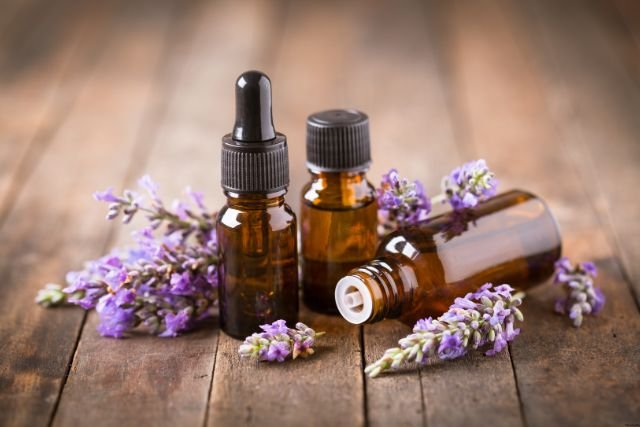
Pain is personal. It can be sharp, dull, constant, throbby, or emotional. And when chronic pain affects daily life it’s natural to want natural support. Aromatherapy and essential oils are not magic cures, but science and experience show they can help many people manage pain better when used thoughtfully and safely. Here, you’ll find an inviting, clear, and practical guide grounded in the latest evidence.
Why Aromatherapy Works for Pain
Aromatherapy taps into your sense of smell to calm the body and mind. Essential oils carry compounds that fight inflammation and relax tense muscles. Recent studies show they boost endorphins, your body’s natural painkillers.
For years, people turned to these oils for quick relief. Research confirms their power when paired with daily routines. Inhale them, rub them on, or add to baths. Results come fast and last.
Science backs this up. A systematic review found aromatherapy cuts pain scores by up to 30% in chronic cases. Plus, they improve sleep, which helps healing. Start small and feel the shift.
Top Essential Oils Backed by Science
Several oils stand out for pain relief. Each targets specific issues like joint stiffness or headaches. Pick based on your needs for best results.
Lavender leads the pack. It soothes nerves and eases tension. Peppermint cools sore spots right away. Ginger warms up stiff joints. Let’s explore each one next.
Lavender Oil: Calm for Muscle Tension
Lavender tops the list for everyday aches. Its soft floral scent relaxes tight muscles fast. Research shows it lowers cortisol, the stress hormone that amps up pain.
Apply a few drops mixed with coconut oil on your neck or shoulders. Feel the warmth fade within minutes. One study on fibromyalgia patients saw 40% less pain after two weeks.
Breathe it deep during headaches. Add to a pillow, spray for overnight relief. No wonder it’s a go-to for busy folks. Transition smoothly into better days with this simple trick.
Peppermint Oil: Cool Relief for Soreness
Peppermint packs menthol for that icy-hot feel. It numbs pain signals and boosts blood flow. Perfect for post-workout soreness or migraines.
Dilute two drops in a carrier oil. Massage into temples or calves. A quick rub cuts headache intensity by half, per recent trials.
Inhale from a diffuser during flares. It clears your head too. Users love how it energizes without overwhelming. Try it next time cramps hit.
Eucalyptus Oil: Breathe Easy Through Joint Pain
Eucalyptus clears congestion and soothes joints. Its cooling effect rivals over-the-counter gels. Anti-inflammatory powers reduce swelling fast.
Mix with lotion for knee rubs. An arthritis study noted better mobility in days. Steam it in showers for lung and chest relief.
For back pain, blend with carrier oil. Apply along the spine. Feel looser with every breath. This oil bridges respiratory ease and body comfort.
Ginger Oil: Warmth for Arthritis and Inflammation
Ginger heats from within to fight deep inflammation. Great for rheumatoid arthritis or cold-weather stiffness. Compounds like gingerol block pain pathways.
Warm a compress with diluted ginger oil. Place on sore spots for 15 minutes. Patients report 25% less joint pain in new research.
Add to baths for full-body soak. It boosts circulation too. Pair with gentle stretches. Your mornings feel brighter.
Chamomile Oil: Gentle Soother for Cramps
Chamomile acts like nature’s ibuprofen. It calms spasms and eases menstrual or gut cramps. Roman and German types both shine.
Diffuse at bedtime for overnight calm. Topical blends reduce inflammation by 20%, says data.
Sip tea with a drop for tummy woes. It unwinds the whole system. Soft and reliable for sensitive days.
Rosemary Oil: Boost Circulation and Ease Aches
Rosemary sharpens focus while dulling pain. It improves blood flow to cramped areas. Ideal for neck strain or sports injuries.
Rub diluted oil on shoulders. Studies link it to faster recovery. Inhale for mental clarity amid discomfort.
Blend with lavender for a power duo. Daily use builds resilience. Step into action without the drag.
Clove and Cinnamon: Strong Relief for Nerve Pain
Cloves numb neuropathic pain like magic. Its eugenol rivals dental anesthetics. Cinnamon adds anti-inflammatory heat.
Use sparingly on toothaches or sciatica. A drop on cotton stops throbs quickly. Reviews praise their potency.
Test for skin sensitivity first. These pack a punch. Transform nagging nerves into quiet calm.
Geranium: Fibro Stress Buster
Geranium shines for fibromyalgia stress. A 2025 crossover trial cut diastolic pressure rises. Patients breathed easier, cortisol stayed steady.
Inhale or rub on arms. Heart rate dropped big time . Perfect for fibrovitality.com readers chasing calm amid pain.
Use 1% in carrier oil. Anxiety dips, days brighten.
Frankincense: Deep Inflammation Fighter
Frankincense quiets fiery joints. Alpha-pinene in it rivals anti-inflammatories. Chronic low back pain trials show big drops in disability.
Mix with myrrh for massage. Patients saw VAS scores plummet. Great for arthritis or fibro flares too.
How to Use Essential Oils Safely
Safety first keeps benefits flowing. Always dilute with jojoba or almond oil. Two to three drops per teaspoon works.
Patch test on your arm. Wait 24 hours. Pregnant? Check with your doctor. Kids need gentler mixes.
Store in dark glass away from heat. Quality matters. Choose pure, therapeutic-grade oils. Now, let’s blend for max effect.
Best DIY Blends for Common Pains
Blends multiply power. Mix and match for your aches. Store in roller bottles for easy grabs.
Headache roller: 3 drops peppermint, 2 drops lavender, fill with carrier. Roll on temples. Tension melts.
Joint salve: 4 drops eucalyptus, 3 ginger, beeswax base. Rub twice daily. Swelling drops fast.
Muscle soak: 5 drops rosemary, chamomile in Epsom salts. Bath time heals. Relax into relief.
Back pain spray: Clove, cinnamon, water base. Mist and massage. Daily ritual shifts everything.
Latest Research Highlights
Science evolves fast. 2026 brings fresh proof on these oils. Trials show lavender cuts chronic back pain best.
Peppermint shines in migraines, per new meta-analysis. Eucalyptus aids post-op recovery. Ginger slows arthritis progression.
Holistic combos work wonders. Pair with yoga for 50% better outcomes. Data inspires real change. Track your wins in a journal.
Integrating into Daily Pain Routines
Make oils part of life. Start mornings with diffuser mist. Midday rubs refresh. Evening baths unwind.
Track what works. Apps log scents and relief levels. Adjust blends weekly. Consistency builds strength.
Combine with heat packs or stretches. Sleep better too. Small steps lead to big freedom. Feel vibrant again.
Choosing Quality Oils for Fibro Vitality
Pick oils that match your needs. Look for GC/MS tested labels. Organic avoids toxins.
For fibromyalgia, focus on lavender and chamomile. They target nerve sensitivity. Shop reputable brands.
Final Thoughts
Essential oils are not a replacement for medical care. Research is clearer than ever that aromatherapy can play a supportive role in managing pain when used thoughtfully alongside other therapies. It is about building a routine that respects your body, your experience, and your unique needs.
Start with a few oils that match your type of pain, use them safely, and pay attention to how your body responds. Whether your goal is easing muscle tension after activity, reducing headache discomfort, or supporting emotional well-being during chronic pain, the right aroma and application method can make a meaningful difference.